
Table of Contents
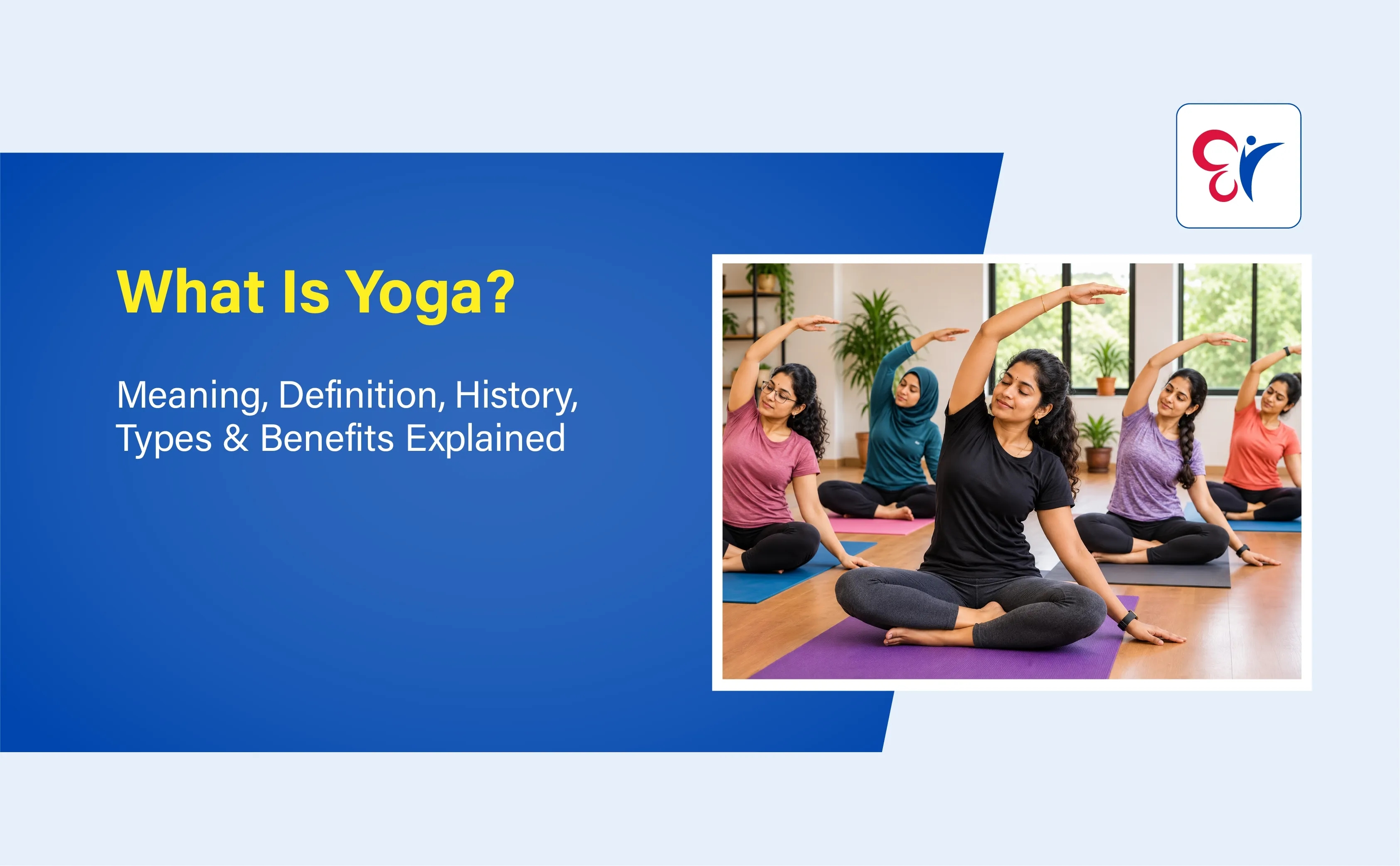
Yoga is an ancient Indian practice that combines physical postures, breathing exercises and meditation to promote physical and mental well-being. Understanding what yoga is, its meaning, history, types and benefits helps learners explore this holistic discipline. From improving flexibility and fitness to managing stress and developing mindfulness, yoga supports a balanced lifestyle. Learn the origins, eight limbs of yoga and its importance in everyday life.
What Is Yoga?
Yoga is an ancient Indian discipline that aims to create harmony between the body, mind and inner self. The word Yoga comes from the Sanskrit root Yuj, which means to join, unite or integrate. In traditional yogic philosophy, it represents the union of individual consciousness with universal consciousness. Yoga is described as both an art and a science of healthy living.
In modern practice, yoga is commonly associated with:
- Asanas: Physical postures that develop strength, flexibility and stability.
- Pranayama: Breathing techniques that help regulate and control breathing.
- Meditation: Practices that develop awareness, concentration and mental calmness.
- Relaxation: Techniques that help the body and mind rest.
- Yogic principles: Ethical guidelines that encourage discipline, self-awareness and balanced living.
History and Origin of Yoga in India
Yoga originated in ancient India and developed over several centuries through philosophical traditions, spiritual practices and systems of learning. Its history cannot be attributed to a single individual or a specific year. The development of yoga is generally understood through following historical periods .
1. Pre-Vedic Period
Archaeological findings from the Indus Valley Civilisation have been associated with early meditation practices. However, their connection with yoga remains debated.
2. Vedic Period
The Vedas contain early references to meditation, spiritual discipline, concentration and control of the mind.
3. Upanishadic Period
The Upanishads explored self-awareness, consciousness, meditation and the relationship between the individual self and ultimate reality.
4. Classical Period
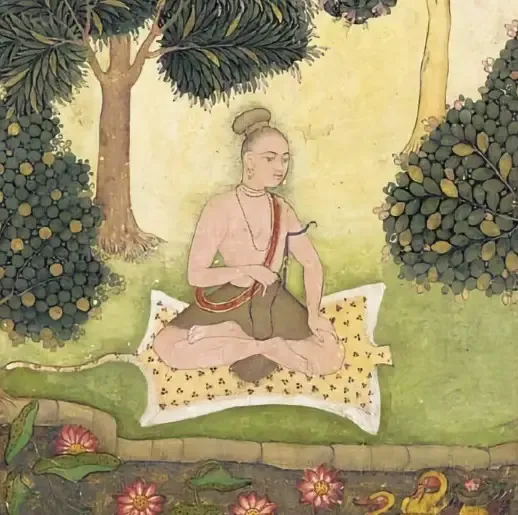
Maharishi Patanjali systematised classical yoga through the Yoga Sutras. His teachings introduced the eight limbs of yoga, known as Ashtanga Yoga.
5. Medieval Period
Hatha Yoga gained importance during this period. Texts such as the Hatha Yoga Pradipika explained yoga postures, breathing techniques and purification practices.
6. Modern Period
Indian yoga teachers introduced yoga to wider audiences across the world. Its popularity grew as a practice for physical fitness, meditation and stress management.
Important milestones in modern yoga:
- 2014: The United Nations declared 21 June as International Day of Yoga.
- 2015: The first International Day of Yoga was celebrated worldwide.
- 2016: UNESCO recognised yoga as an Intangible Cultural Heritage of Humanity.
Need More About Yoga TTC Course by CC Learning App?
Enrol Now
8 Limbs of Yoga According to Patanjali
The eight limbs of yoga, also known as Ashtanga Yoga, form an important part of classical yoga philosophy. They describe a progressive approach to personal discipline, physical stability and mental development.
Eight Limbs | Meaning and Explanation |
Yama | Ethical restraints and responsible behaviour towards others |
Niyama | Personal discipline and positive habits |
Asana | Physical postures that develop stability and comfort |
Pranayama | Regulation and control of breathing |
Pratyahara | Withdrawal of the senses from external distractions |
Dharana | Concentration and focused attention |
Dhyana | Meditation or sustained awareness |
Samadhi | A state of deep absorption or meditative awareness |
These eight limbs demonstrate that yoga is not simply a collection of physical exercises. It also includes ethical values, self-discipline and mental practices.
For yoga teaching aspirants, understanding Ashtanga Yoga is essential for learning the philosophical foundation of traditional yoga.
What Are the Different Types of Yoga?
There are different types of yoga, each focusing on physical fitness, mental discipline, meditation, devotion or spiritual growth. Some yoga styles emphasise physical postures and breathing, while others focus on self-awareness and knowledge. Here are eight popular types of yoga and their key features.
1. Hatha Yoga
Hatha Yoga combines physical postures (Asanas), breathing techniques and relaxation to improve flexibility, strength and balance. It is often suitable for beginners.
2. Raja Yoga
Raja Yoga focuses on meditation, mental discipline and self-control. It is closely associated with Patanjali's eight limbs of yoga.
3. Karma Yoga
Karma Yoga is the practice of selfless action. It encourages people to perform their duties without attachment to results or rewards.
4. Bhakti Yoga
Bhakti Yoga is the path of devotion. It involves prayer, chanting and spiritual practices to develop love and devotion.
5. Jnana Yoga
Jnana Yoga focuses on knowledge, wisdom and self-realisation through learning, reflection and philosophical inquiry.
6. Ashtanga Yoga
Ashtanga Yoga refers to Patanjali's eight-limbed philosophy. Ashtanga Vinyasa Yoga is also a dynamic physical practice that connects breathing with a structured sequence of postures.
7. Vinyasa Yoga
Vinyasa Yoga connects breathing with continuous movements and flowing sequences of postures. It helps develop flexibility, strength and coordination.
8. Kundalini Yoga
Kundalini Yoga combines physical movements, breathing exercises, meditation and chanting, with an emphasis on spiritual awareness.
Important Yoga Asanas and Their Benefits
Yoga asanas are physical postures performed to improve body awareness, balance, strength and flexibility. Beginners can start with simple postures under appropriate guidance. Some commonly practised yoga asanas include:
Yoga Asana | Common English Name | Main Benefit |
Tadasana | Mountain Pose | Encourages posture awareness and balance |
Vrikshasana | Tree Pose | Develops balance and concentration |
Trikonasana | Triangle Pose | Stretches the body and improves flexibility |
Bhujangasana | Cobra Pose | Strengthens back muscles and improves spinal mobility |
Vajrasana | Thunderbolt Pose | Provides a stable seated position |
Balasana | Child's Pose | Supports relaxation and gentle stretching |
Adho Mukha Svanasana | Downward-Facing Dog | Stretches several muscle groups and develops strength |
Shavasana | Corpse Pose | Encourages relaxation and body awareness |
What Are the Benefits of Yoga?
The benefits of yoga include improved physical fitness, flexibility, mental well-being and stress management. Regular yoga practice combines physical postures, breathing exercises and meditation to support a healthy lifestyle. Here are eight important health benefits of yoga:
Improves Flexibility : Yoga stretching exercises improve muscle flexibility, joint mobility and overall body movement.
Builds Strength and Balance : Regular yoga asanas help develop muscle strength, body balance and coordination.
Reduces Stress : Yoga breathing techniques and meditation may help reduce everyday stress and promote relaxation.
Supports Mental Health : Yoga may improve emotional well-being and help manage symptoms of anxiety and stress.
Improves Sleep Quality : Relaxation and meditation practices may support better sleep and healthy sleeping habits.
Enhances Concentration : Yoga encourages mindfulness and mental focus, which may improve attention and concentration.
Supports Healthy Ageing : Gentle yoga exercises may help older adults maintain mobility, flexibility and balance.
Promotes a Healthy Lifestyle : Regular yoga practice encourages self-awareness, physical activity and healthier daily habits.
The benefits of yoga may vary from person to person. Yoga supports overall wellness but should not replace medical treatment or professional healthcare advice.
Yoga Aspirants can refer to the following links to learn more about Yoga.
- Best Yoga TTC in Kerala: Course Modules, Accreditation & Career Path
- Yoga vs Gym: Which Shows Better Results in 30 Days?
- Important Yoga Mudras & Their Benefits: Complete Guide for Mind, Body & Energy
- Yoga for Skin Whitening: Myth or Reality? The Science Behind the Glow
- Yoga TTC 2026: Become a Certified Yoga Instructor with the Best Yoga Teacher Training Course
- Can AI Replace Human Yoga Instructors? The Future of Yoga in the Age of Artificial Intelligence
Begin Your Yoga Training Journey with the CC Learning App
Interested in learning yoga and developing the skills needed for a professional career? The CC Learning App offers a digital learning platform where aspiring yoga practitioners can build their knowledge through organised learning resources and guided sessions.
The platform provides access to:
- Online live and recorded classes
- Practical yoga asana demonstrations
- Structured learning materials and digital notes
- Guidance from experienced instructors
- Regular practice sessions
- Learning programmes for different skill levels
- Practice activities and assessments, where available
Whether you are a beginner or preparing for a Yoga Teacher Training Course (TTC), the CC Learning App can help you explore yoga concepts and develop your understanding of traditional and modern yoga practices.
Take the next step towards your yoga teaching goals with online yoga learning support from the CC Learning App.
Download CC Learning App Today and Join Yoga TTC Course
Tap Here
Frequently Asked Questions
1. What is Yoga in simple words?
Yoga is an ancient Indian practice that combines physical postures, breathing exercises and meditation to develop harmony between the body and mind.
2. What is the actual meaning of Yoga?
The word Yoga comes from the Sanskrit root Yuj, meaning to join, unite or integrate. It represents harmony between individual consciousness and universal consciousness in traditional yogic philosophy.
3. Who is known as the father of Yoga?
Maharishi Patanjali is widely known as the father of classical Yoga because his Yoga Sutras systematically presented important principles and practices of yoga. However, yoga traditions existed long before his work.
4. What are the eight limbs of Yoga?
The eight limbs of Yoga are Yama, Niyama, Asana, Pranayama, Pratyahara, Dharana, Dhyana and Samadhi. They form the foundation of Patanjali's Ashtanga Yoga philosophy.
5. What are the main types of Yoga?
Some important yoga traditions and styles include Hatha Yoga, Raja Yoga, Karma Yoga, Bhakti Yoga, Jnana Yoga, Ashtanga Yoga, Vinyasa Yoga and Kundalini Yoga.
6. What are the main benefits of Yoga?
Yoga may improve flexibility, strength, balance, concentration, sleep quality and general mental well-being. It may also help people manage everyday stress.
7. Is Yoga suitable for beginners?
Yes. Beginners can start with simple yoga postures, basic breathing exercises and guided meditation. They should choose practices appropriate to their physical abilities and learn under qualified supervision.
8. How many minutes should beginners practise Yoga daily?
Beginners can start with 10–15 minutes of gentle practice and gradually increase the duration according to their comfort and ability. Consistency and correct technique are more important than practising for long periods.
Trending Updates


Related Blogs

November 6, 2026
Can AI Replace Human Yoga Instructors? The Future of Yoga in the Age of Artificial Intelligence
10 minute read
November 27, 2025
Best Yoga TTC in Kerala: Course Modules, Accreditation & Career Path
4 minute read
June 19, 2026
Yoga for Skin Whitening: Myth or Reality? The Science Behind the Glow
7 minute read
December 8, 2025