
Table of Contents
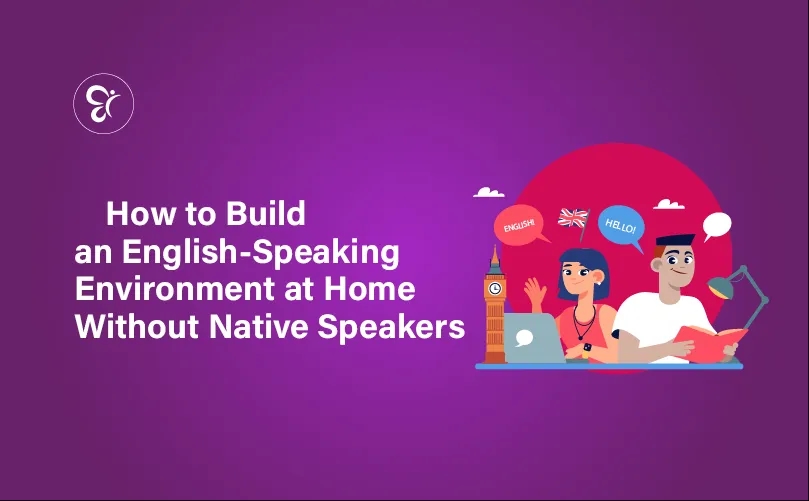
Learning spoken English is easier than you think, even without native speakers. By creating an English-speaking environment at home, you can improve your English communication skills, vocabulary, pronunciation and fluency through simple daily habits. Whether you're preparing for job interviews, competitive exams, higher studies or everyday conversations, this article shares practical and effective tips to learn English at home, improve spoken English and speak English confidently with consistent practice.
Why Building an English-Speaking Environment at Home Is Important?
Many learners want to improve spoken English, but studying grammar alone is not enough. The best way to learn English at home is to use it every day. Just like children learn their first language by listening and speaking, regular English practice helps you become fluent naturally.
Creating an English-speaking environment at home through conversations, books, videos and podcasts improves your English vocabulary, pronunciation and communication skills. With daily practice, you will start to think in English, speak more confidently and achieve English fluency faster. Consistency is the key to success.
Benefits of Creating an English-Speaking Environment at Home
- Improve spoken English with daily practice.
- Build confidence while speaking English.
- Improve English listening and pronunciation skills.
- Learn new English vocabulary naturally.
- Develop the habit of thinking in English.
- Reduce fear and hesitation while speaking.
- Improve overall English communication skills for interviews, studies, work and daily conversations.
Ready to start your success journey?
Join thousands of aspirants already preparing with us.
The 4 Pillars of Building an English-Speaking Environment at Home
Creating an English-speaking environment at home does not mean changing your lifestyle completely. It simply means making English a part of your daily routine. These four simple habits can help you improve spoken English and build confidence every day.
1. Surround Yourself with English
The more you see English, the easier it becomes to remember words and sentences. Daily exposure helps you learn English naturally.
Try these simple ideas:
- Label household items in English.
- Write your shopping list in English.
- Keep your to-do list or diary in English.
- Change your phone and laptop language to English.
- Read an English newspaper, book, or magazine every day.
- Display a new English word or quote in your room.
These small habits help improve your English vocabulary without extra effort.
2. Listen to English Every Day
Listening is one of the best ways to improve spoken English, pronunciation and listening skills. You don't need extra study time, just include English in your daily routine.
Listen to English while:
- Cooking
- Travelling
- Walking or exercising
- Cleaning your room
- Relaxing before bed
You can listen to:
- English podcasts
- English news
- Audiobooks
- English YouTube videos
- Interviews and conversations
Start with 15 - 20 minutes a day and increase your listening time gradually.
3. Speak English Every Day
The best way to speak English confidently is to practise every day. Don't wait until your English is perfect, fluency comes through practice.
You can practise by:
- Talking about your daily routine
- Describing what you are doing
- Reading English articles aloud
- Recording your voice
- Speaking in front of a mirror
- Answering common interview questions
Even a few minutes of daily speaking can greatly improve your English communication skills.
4. Track Your Progress
Improving spoken English takes time, so it is important to check your progress regularly. Ask yourself every day:
- What new English words did I learn today?
- Did I practise speaking today?
- What mistakes did I make?
- What can I improve tomorrow?
Tracking your progress keeps you motivated and helps you build English fluency step by step.
15 Practical Ways to Build an English-Speaking Environment at Home
Building an English-speaking environment at home doesn't require expensive courses or native speakers. Simple daily habits can help you improve spoken English, build confidence and achieve English fluency. Here are 15 practical ways to learn English at home.
1. Think in English : Instead of translating from your native language, try thinking in English during daily activities.
Example:
- "I need to finish my work."
- "It's time to eat."
- "I should call my friend."
This simple habit helps you speak English naturally.
2. Write an English Journal : Spend 10 minutes writing about your day, goals, or thoughts in English. This improves English writing skills, vocabulary and sentence formation.
3. Read English Every Day : Reading is one of the best ways to improve English vocabulary. Start with simple books, newspapers, blogs or short stories. Reading aloud also improves pronunciation.
4. Watch English Videos : Watch English movies, YouTube videos, or TV shows. Pause, repeat sentences and learn new words. Reduce subtitles as your listening skills improve.
5. Learn Words in Sentences : Don't memorise single words. Learn them in complete sentences so you can remember and use them easily in conversations.
6. Practise Speaking with AI : Use AI chat tools or voice assistants to practise spoken English. They help you improve pronunciation and build confidence without fear of making mistakes.
7. Follow English Content on Social Media : Follow pages that share English vocabulary, speaking tips, grammar lessons and conversation practice. Turn your daily scrolling into learning time.
8. Read English News : Spend 10 - 15 minutes reading English news every day. It improves your vocabulary, reading skills and knowledge of current affairs.
9. Create an English-Only Time : Choose one hour every day when you speak only English. It could be during dinner, while studying or with friends and family.
10. Learn Everyday English Phrases : Focus on common expressions like:
- "Could you help me?"
- "What do you think?"
- "I'll try my best."
These phrases make your English communication skills more natural.
11. Record Your Voice : Record yourself speaking for two or three minutes. Listen to your pronunciation, grammar and speaking speed, then practise again to improve.
12. Learn One New Phrase Daily : Instead of learning many words, learn one useful English phrase every day and use it in your conversations.
13. Join Online English Speaking Groups : Take part in online speaking clubs or language exchange groups. Regular conversations help improve spoken English fluency and i prove confidence.
14. Practise with Your Family : Encourage family members to speak simple English at home. Even short conversations can help everyone learn English together.
15. Be Consistent : The secret to improving spoken English is consistency. Practising for 20 minutes every day is far more effective than studying for hours only once a week.
Common Mistakes to Avoid While Learning Spoken English at Home
Many learners work hard to improve spoken English, but a few common mistakes can slow their progress. Avoiding these habits will help you build English fluency faster and speak with greater confidence.
1. Waiting to Speak Perfect English : Many people delay speaking because they want perfect grammar or pronunciation. Remember, fluency comes through regular practice, not perfection.
2. Focusing Only on Grammar : Grammar is important, but it should not be your only focus. To improve English communication skills, spend time listening, speaking, reading and writing every day.
3. Translating Every Sentence : Translating from your native language makes speaking slow and difficult. Try to think in English and use simple sentences in daily conversations.
4. Not Practising Every Day : Learning English once a week is not enough. Even 20 - 30 minutes of daily English practice can help you improve your spoken English and confidence.
5. Being Afraid of Making Mistakes : Mistakes are a natural part of learning. Every conversation helps you improve your vocabulary, pronunciation and speaking skills.
6. Learning Words Without Context : Instead of memorising individual words, learn them in complete sentences. This helps you remember new vocabulary and use it naturally in conversations.
7. Ignoring Listening Practice : Listening is just as important as speaking. Regularly listening to English podcasts, videos and conversations improves your pronunciation, comprehension and fluency.
8. Giving Up Too Soon : English fluency takes time and consistent effort. Stay patient, practise every day and celebrate your progress. Small improvements every day lead to long-term success.
30 Day English Speaking Challenge: Build Fluency from Home
Improving your spoken English does not require spending several hours every day. What matters most is consistent, purposeful practice. This 30 day challenge is designed to help students, job seekers, working professionals and competitive exam aspirants gradually build confidence in speaking English.
Spend 30 to 45 minutes daily following these activities.
Week | Focus Area | Daily Activities |
Week 1 | Build the Habit | Learn 10 new words, read an English article aloud, listen to a podcast for 15 minutes and speak for 2 minutes about your day. |
Week 2 | Improve Vocabulary & Pronunciation | Watch English videos, repeat sentences, practise common conversations and maintain an English journal. |
Week 3 | Develop Speaking Confidence | Record your voice, describe pictures, explain news stories and participate in English-speaking groups or AI conversations. |
Week 4 | Speak Naturally | Hold longer conversations, think in English, practise interview questions and review your progress. |
By the end of 30 days, you will notice improvements in:
- Spoken English confidence
- Pronunciation and clarity
- Vocabulary usage
- Listening comprehension
- Sentence formation
- Everyday communication skills
Best Free Resources to Practise English at Home
The internet offers countless opportunities to improve your English skills. The key is to choose reliable resources and use them consistently.
1. English News Websites : Reading news improves vocabulary, grammar and comprehension while keeping you updated with current affairs.
2. Educational YouTube Channels : Many educators provide free lessons on:
- Spoken English
- Grammar
- Pronunciation
- Vocabulary
- Communication skills
Watch actively by pausing and repeating sentences.
3. Podcasts : English podcasts help improve listening skills and familiarise you with natural conversations. Listen while travelling, exercising or doing household work.
4. Audiobooks : Listening to audiobooks while reading the printed version improves pronunciation, vocabulary and comprehension simultaneously.
5. Online Dictionaries : Use trusted dictionaries to check:
- Word meanings
- Pronunciation
- Example sentences
- Synonyms
- Common usage
Learning words in context is much more effective than memorising lists.
Speak English Confidently with the CC Learning App
Want to improve your spoken English with expert guidance? The CC Learning App offers the best online Spoken English courses in Kerala, designed for students, job seekers, working professionals and competitive exam aspirants. Our practical, activity-based training helps you build confidence and speak English fluently in real-life situations.
Why Choose the CC Learning App?
With the CC Learning App, you'll get:
- Expert-led Spoken English classes
- Interactive live and recorded sessions
- Daily English speaking practice and conversation activities
- Easy-to-understand grammar and vocabulary lessons
- Pronunciation and fluency improvement techniques
- Mock interview and group discussion preparation
- Personalised mentor support
- Flexible online learning from anywhere, anytime
Download the CC Learning App, multi learning platform, and start your spoken English and build the confidence to speak English fluently, communicate effectively and succeed in your career and everyday life.
Ready to start your success journey?
Join thousands of aspirants already preparing with us.
Frequently Asked Questions
1. How can I build an English-speaking environment at home?
You can create an English-speaking environment at home by using English in your daily activities. Read English books, watch English videos, listen to podcasts, write a daily journal, label household items in English, think in English and practise speaking for at least 20 - 30 minutes every day. Consistency is more important than spending long hours studying.
2. Can I improve spoken English without native speakers?
Yes. You do not need native speakers to become fluent in English. Regular exposure through English books, podcasts, news, movies, AI conversation tools and daily speaking practice can significantly improve your fluency. Millions of English learners around the world achieve proficiency without living in an English-speaking country.
3. How long does it take to become fluent in spoken English?
The time required varies depending on your current level, consistency and daily practice. Learners who practise listening, speaking, reading and writing every day generally notice visible improvements within a few months. Fluency is a gradual process that develops through continuous exposure and communication.
4. What is the best daily routine to improve spoken English?
A balanced routine includes:
- Reading an English article for 10 - 15 minutes.
- Learning five new words every day.
- Listening to an English podcast or video.
- Speaking in English for at least 20 minutes.
- Writing a short journal before going to bed.
Following this routine consistently helps improve vocabulary, pronunciation and confidence.
5. How can beginners practise spoken English at home?
Beginners should start with simple sentences related to everyday life. Read aloud, describe your surroundings, maintain a vocabulary notebook, record your voice and speak about familiar topics. Avoid worrying about mistakes; regular practice is the key to improvement.
6. Is watching English movies enough to improve spoken English?
Watching English movies improves listening skills, pronunciation and vocabulary, but it should be combined with active speaking practice. Pause videos, repeat dialogues, learn useful expressions and use new words in conversations to maximise your learning.
7. How can students in Kerala improve spoken English?
Students in Kerala can improve spoken English by creating a daily English routine, reading English newspapers, participating in group discussions, practising interview questions, using English while studying and enrolling in a structured spoken English course for guided learning and regular feedback.
Trending Updates



Related Blogs
View all
July 29, 2026
Can AI Help You Learn Spoken English?
11 minute read
January 8, 2026
How do I Learn Spoken English?
7 minute read
August 1, 2026
Spoken English vs Written English: What's the Difference?
13 minute read
February 27, 2026