
Table of Contents
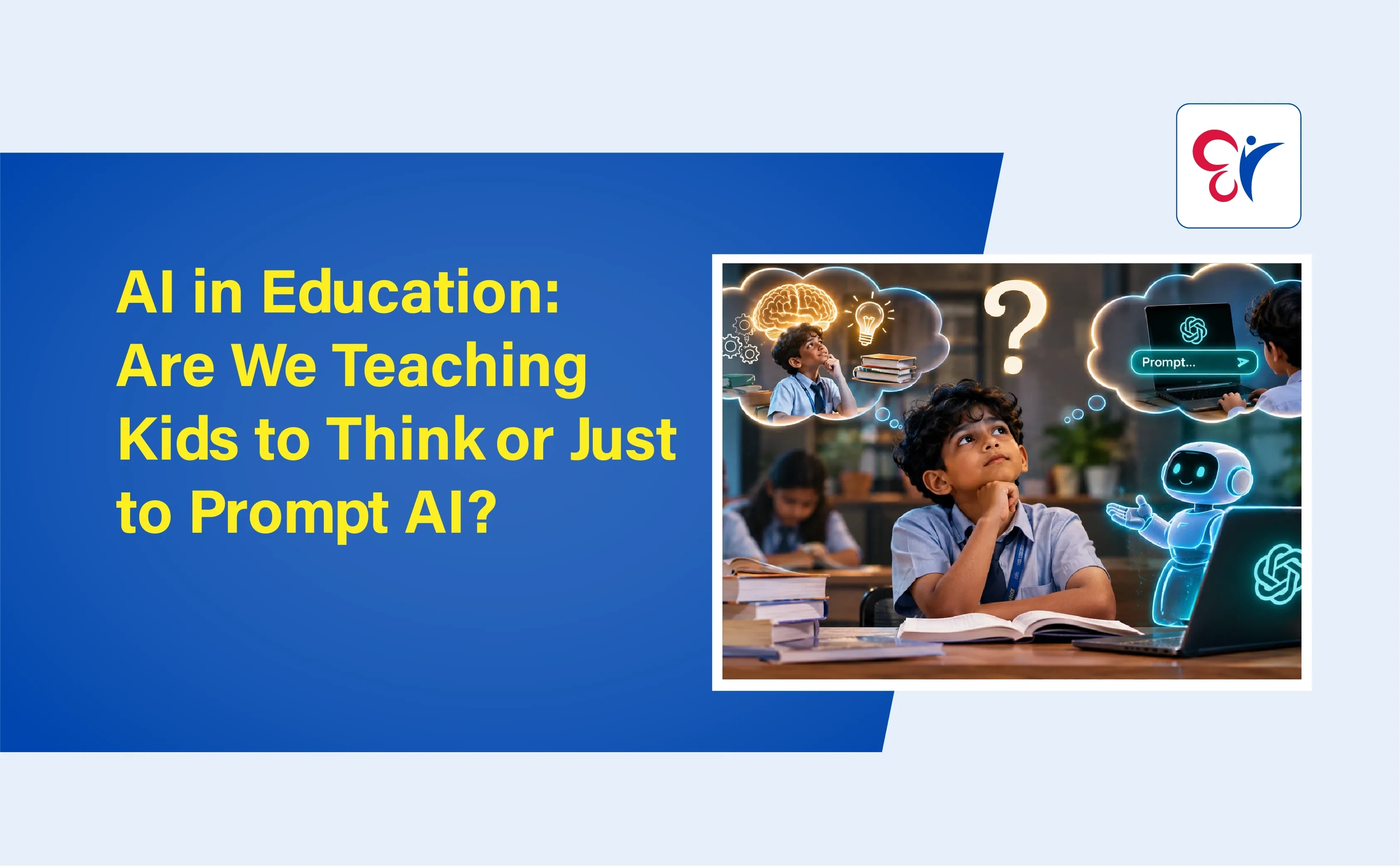
Artificial Intelligence in education is transforming how students learn, complete assignments and access information. From AI-powered learning platforms to chatbots, students can now find answers within seconds. But does this technology encourage independent thinking or create dependence on AI-generated answers? While AI makes learning more accessible and personalised, excessive use may affect critical thinking, creativity and problem-solving skills. The challenge is to make AI a learning tool, not a replacement for thinking.
How AI Is Transforming Modern Education?
Traditional education relies on classroom teaching, textbooks and assignments. However, Artificial Intelligence is introducing new ways of learning. AI-powered education tools help students understand difficult topics, practise questions and receive instant feedback.
For example, students can use AI chatbots to solve Maths problems, improve language skills and clarify concepts.
Some key ways AI is changing education include:
- Personalised Learning: Suggests learning materials based on student performance.
- Instant Feedback: Provides quick answers and explanations.
- Flexible Learning: Offers learning support beyond classroom hours.
- Interactive Learning: Makes lessons more engaging through AI-powered activities.
- Automated Assessment: Helps teachers prepare questions and evaluate assignments.
These tools make learning more accessible, but students must use them to improve understanding rather than depend on ready-made answers.
AI in Student Learning: Understanding or Answer Copying?
One major concern about AI in education is students becoming dependent on ready-made answers. Instead of researching a topic and completing assignments independently, some students use AI chatbots to generate entire answers.
Although this saves time, it may reduce opportunities to develop important academic skills. Excessive dependence on AI can lead to:
- Poor independent research and writing skills.
- Less interest in understanding difficult topics.
- Dependence on instant answers.
- Difficulty identifying incorrect information.
- Reduced creativity and original thinking.
Using AI to understand a difficult concept can support learning. However, simply copying AI-generated answers does not help students develop knowledge. The goal of education should be to teach students how to find, understand and evaluate answers, not just copy them from AI.
Enrol Now on The AI For Teacher Online Coaching by CC Learning App
Enrol Now
Why Critical Thinking Is Essential in AI-Based Education?
As AI tools can generate answers within seconds, critical thinking is becoming more important for students. Not every AI-generated response is accurate, so students must learn to question information, compare sources and identify mistakes.
For example, when researching a historical event, students should compare AI-generated explanations with textbooks and reliable sources instead of accepting every answer immediately.
Critical thinking helps students:
- Identify incorrect information.
- Analyse facts instead of memorising them.
- Ask meaningful questions.
- Develop independent opinions.
- Apply knowledge to real-life situations.
In an AI-driven world, students need to do more than find answers. They must understand, question and evaluate the information they receive.
Key Benefits of Artificial Intelligence in Education
AI in education is not limited to generating answers or completing assignments. When used responsibly, it can make learning easier, more engaging and accessible. It also helps teachers manage routine tasks and provide better learning support.
Some key benefits of AI in education include:
- Personalised Learning: AI-powered learning platforms can suggest study materials and practice questions based on students' learning needs and performance.
- Easy Access to Learning Resources: Students can use AI tools to understand difficult topics, explore new subjects and get additional explanations whenever needed.
- Interactive Learning: AI-powered quizzes, activities and conversational tools can make lessons more engaging and interesting.
- Teacher Support: AI can help teachers prepare questions, organise study materials and manage repetitive academic tasks, allowing more time for classroom activities and student guidance.
- Flexible Learning: Students can access learning support beyond classroom hours and revisit explanations whenever they need help.
These benefits make AI a useful addition to modern education. However, students should use it to improve their understanding and support independent learning rather than depend entirely on AI-generated answers.
How Teachers Can Integrate AI into Classroom Learning?
Teachers have an important role in ensuring that AI supports education without reducing student participation and independent thinking. Instead of banning AI tools, educators can introduce classroom activities that encourage students to question, analyse and improve AI-generated responses.
Here are some practical approaches:
- Encourage Independent Attempts: Ask students to solve problems or write initial answers before using AI for additional support.
- Compare AI Answers with Textbooks: Let students identify differences, factual errors and missing information in AI-generated explanations.
- Promote Classroom Discussions: Encourage students to explain their reasoning, share opinions and defend their conclusions.
- Use AI for Practice: Introduce AI-generated quizzes and practice questions to reinforce classroom learning.
- Focus on Practical Activities: Group projects, experiments, presentations and real-world assignments encourage students to apply knowledge independently.
- Assess Understanding: Use oral examinations, presentations and practical demonstrations to understand whether students have genuinely learned a subject.
For example, a teacher can ask students to generate an explanation of a scientific concept using AI and then identify three points that need further verification. This activity teaches students to use technology while developing analytical skills.
Essential Skills Students Need in the Age of Artificial Intelligence
Knowing how to use AI tools will be useful, but it will not be enough to succeed in an increasingly technology-driven world. Students will need a combination of digital skills and essential human abilities to adapt to changing academic and professional environments.
Skill | Why It Matters |
Critical Thinking | Helps students evaluate information and identify errors. |
Creativity | Encourages original ideas and new approaches to problems. |
Problem-Solving | Helps students handle situations that require independent decisions. |
Digital Literacy | Enables students to understand and use technology responsibly. |
Communication | Helps students express ideas clearly and work with others. |
AI Literacy | Teaches students to understand AI tools, their uses and limitations. |
Research Skills | Helps students collect, compare and verify information. |
The Future of AI in Education: Balancing Technology and Human Thinking
Artificial intelligence is expected to become a regular part of classrooms, online learning platforms and educational assessments. It can support students through personalized lessons, instant explanations and interactive learning activities. However, AI should support education, not replace independent thinking.
The main purpose of education is to develop curiosity, creativity, reasoning and problem-solving skills. Schools and teachers should encourage students to use AI to understand concepts while continuing to learn independently.
Parents also play an important role by encouraging children to read, ask questions, explore new topics and participate in activities beyond digital learning.
The future of education should balance technology with human guidance. Teachers can provide direction, AI can offer learning support, and students must take responsibility for understanding what they learn.
Knowing how to prompt AI is useful, but knowing how to question its answers, identify mistakes and form independent opinions is even more important.
Learn AI for Teaching and Transform Your Classroom Experience
Artificial Intelligence is creating new opportunities for teachers to make classroom learning more effective and engaging. From preparing lesson plans and generating question papers to creating presentations and interactive study materials, AI tools for teachers can simplify everyday teaching tasks and improve productivity. Understanding these tools can help educators save time and introduce new approaches to student learning.
The AI for Teachers Course offered through CC Learning App, multi learning platform, helps educators explore the role of artificial intelligence in modern education. It introduces practical applications of AI in lesson preparation, educational content creation and classroom activities, helping teachers build confidence in using digital tools.
Ready to bring AI into your teaching journey? Download the CC Learning App and enrol in the AI for Teachers Course to develop your AI skills and explore smarter teaching methods.
Need more information about the AI For Teachers Course
Ask Now
Frequently Asked Questions
1. How is AI changing the education system?
AI is changing education through personalised learning, automated assessments, instant feedback and interactive learning tools. It helps students access information, understand difficult subjects and receive additional academic support.
2. Does AI negatively affect students' critical thinking skills?
Excessive dependence on AI-generated answers may reduce opportunities for students to practise independent thinking, research and problem-solving. However, when used responsibly, AI can also support critical thinking through discussions, comparisons and guided learning activities.
3. What are the major benefits of AI in education?
The major benefits of AI in education include personalised learning, instant feedback, flexible learning support, interactive educational content and assistance with academic tasks. It can also help teachers manage repetitive activities.
4. How can teachers prevent students from misusing AI?
Teachers can encourage independent assignments, classroom discussions, source verification and practical assessments. They should also establish clear guidelines for responsible AI use and academic honesty.
5. What is AI literacy in education?
AI literacy refers to the ability to understand, use and evaluate artificial intelligence tools responsibly. It includes knowing how AI works, recognising its limitations and verifying the information it generates.
6. Will AI replace teachers in the future?
AI can support teaching by assisting with routine tasks, personalised learning and educational content. However, teachers play an important role in mentoring students, encouraging critical thinking, providing emotional support and guiding their overall development.
7. How can students use AI without becoming dependent on it?
Students should first attempt to understand and solve problems independently. They can then use AI to clarify difficult concepts, practise questions, explore alternative explanations and verify their understanding.
8. Why is critical thinking important in AI-based learning?
Critical thinking helps students evaluate AI-generated information, identify mistakes, compare different sources and develop independent conclusions. It ensures that students understand what they learn instead of simply accepting automated answers.

Notifications
Trending Updates



Related Blogs
October 12, 2026
AI for Teachers: Best AI Tools, How to Use Them & Benefits for Classroom Teaching
12 minute read
October 23, 2026
The Risks of Depending Too Much on AI for Teaching and Learning
9 minute read
October 10, 2026
Active and Passive Voice in English Grammar: Rules and Examples
10 minute read
October 7, 2026